Showing posts with label Hair Loss. Show all posts
Monday, December 19, 2016
Dull Hair
Adding Polish to Dull Hair
The biggest difference between the average woman’s hair and the hair you see in the fashion and beauty magazines is the way it shines. Those magazine images always feature long locks of shiny hair that seem to glow with a light all of its own. It can leave you feeling that you’ll never have hair that looks like that. Well, the first thing to remember is that unless you are a model and regularly have your hair photographed under professionally-set lighting, the level of shine and glow seen in magazine photos is not likely to become part of your daily life.
This doesn’t mean that you can’t make your hair appear shinier and healthier. It means that you have to remember which are real and which are special effects. Dull hair looks less healthy, and absorbs light rather than reflecting it. It can also make the color appear lifeless and leave you feeling that your hair is unappealing, when in fact it can be beautiful with just a few simple tips.
There are many causes of dull-looking hair – chemical damage, heat styling damage, improper styling techniques, and even environmental soils and stresses. Fortunately, there are a lot of tricks and tips to make the hair look shiny again. Here are some simple ways to make your hair look shinier:
Cool Rinses
We know from previous discussion that heat and moisture affect the shape of the hair shaft and that heat can cause the hair shaft to swell and the cuticle to open up. An open cuticle reflects light less effectively and can leave the hair looking especially dull.
Yet one of the easiest ways to restore shine to the hair is by rinsing it in cool water. You don’t need to endure a cold shower to get the benefits, either. Simply remember at the end of your shower to switch the water to cold and chill your hair under the spray. The cold water helps the hair shaft contract and the cuticle close up. This leaves the hair looking smoother, shinier and more light-reflective.
Just remember not to undo the benefits of the cold rinse by roughing up the hair while drying it. Squeeze the hair in the folds of a towel to remove excess water, and pat the hair at the scalp.
Natural Rinses
There are also natural products that can be used to give the hair a little added “oomph” when it comes to shining the hair. The cold water rinse is great, but there are other simple techniques that can make a big difference as well. One such trick is to use vinegar as a finishing rinse after shampooing and conditioning the hair.
You can add ½-1 cup of white vinegar to a gallon of cool water and pour that over your freshly washed and conditioned hair before you leave the shower. The vinegar is acidic, and works to counter the slight alkalinity of the shampoo and conditioner products. This helps to tighten the cuticle layer of the hair and makes the hair look shinier and healthier in the process.
Shampoo Choices
The correct shampoo for your hair goals is another key element to making the hair appear shinier. Dry hair tends to appear dull, so be sure to use a shampoo that will add moisture and clean gently. Follow it up with a moisture rich conditioner and you can soon see dramatic results in the healthy look of your hair. Fortunately, modern advances in hair care products has brought us a wide range of shampoos from many makers that are geared toward improving shine by smoothing the cuticle layer and helping to maintain a smooth and silky look in the hair.
Source
Related articles:
Top 10 reasons for hair loss in women
10 Ways You're Ruining Your Hair but Don't Know It
Wednesday, December 14, 2016
Top 10 reasons for hair loss in women
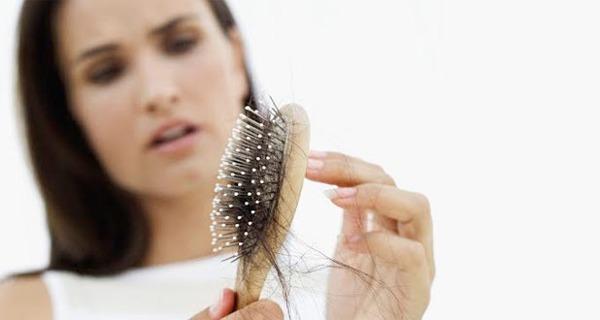
A woman’s body goes through a lot of changes through her entire course of life. These changes can at times be a contributing factor in hair loss. But in order to treat this problem, we first need to figure out the root cause of it so that the apt treatment method can be suggested. We list 10 common reasons for hair loss in females.
#1 Bad hair etiquette
Excessive use of hairstyling tools like strengtheners and curling iron or hair products like gels, mousse, sprays, colours, etc. can damage the hair shaft and prolonged usage can hamper its growth. Tight ponytails, wrong combs, parting your hair, can further aggravate the condition. According to trichologist Dr Apoorva Shah, even excessive colouring can lead to hair loss. Can shampoo cause hair loss? Click here to find out.
#2 PCOS
In this condition, male hormones or androgens are secreted in excess and they form small fluid-like sacs in the ovaries which are known as cysts. It is due to hormonal imbalances in your body which negatively affects your hair growth as well. While you may notice more hair growth on your body, it can trigger hair fall from your scalp. Read more…
#3 Anemia
Anemia is a result of low iron intake in one’s diet. Many women may be anemic due to heavy menstruation or inadequate folic acid in their body. This results in low production of hemoglobin which means less oxygen to your organs. When oxygen does not reach your hair follicles, they tend to be weak and break easily. This results in hair fall. Here are 10 tips to beat this.
#4 Menopause
A lot of changes take place in a woman’s body once she hits menopause and one of them can be hair fall. This is because estrogen hormone levels are low in the body. They can make the hair dry and also cause hair loss if due care isn’t taken. It is essential to use mild shampoos and condition your mane as well as eat right. Here are a few remedies you could try.
#5 Labour
Many women experience hair fall after their delivery. This is because, during pregnancy, there is a peak in the hormone estrogen so you can expect a full head of hair. But once the baby is delivered, hormones go back to their normal phase which may result in hair falling out at once. But this is a temporary phase and hair growth returns to normal after a few weeks.
#6 Protein deficiency
Our hair is made of a protein called keratin. When we do not eat protein-rich foods, it depletes from our body making the hair brittle. This leads to weak strands which fall prematurely. Here are a few essential nutrients you need to eat to prevent hair fall.
#7 Medications
Women who are on birth control pills can have side-effects like hair fall if they abruptly stop using them. Other hormonal pills and therapies can have a similar effect. Chemotherapy sessions also result in hair loss. Here are 5 methods to combat hair loss after chemotherapy.
#8 Extreme weight loss
Crash dieting and losing a lot of weight suddenly or too quickly can adversely affect the growth of your hair. This is because, usually these diets deprive your body of essential nutrients or put a ban on eating certain food groups which then impact your hair growth.
#9 Medical illnesses like thyroid disease, autoimmune disease
Thyroid is responsible for secreting triiodothyronine and thyroxine hormones which are needed for proper growth and development of our body. When a person suffers from hypo or hyperthyroidism, there is excess or low secretion of these hormones which can lead to deficiencies if not treated on time. Hair loss is one of the complications due to various changes taking place in your body. In an autoimmune disease, our body creates antibodies against our own cells and tissues. They attack hair as well as other organs resulting in hair loss.
#10 Any acute or chronic medical conditions
Conditions like diabetes, psoriasis are also responsible for loss of hair. Diabetes negatively affects the body’s circulatory system. This means that less amount of nutrients and oxygen reach the upper and the lower extremities of the body i.e. the feet and the scalp areas. If diabetes is causing poor blood circulation to the scalp, the hair follicles will die resulting in hair loss. Psoriasis is a skin disease which also affects the scalp and hair follicles.
While shedding of 60-100 strands every day is the norm, anything more than that over a period of time can cause hair loss. If you notice this, it is best to get yourself checked for any underlying condition which could be causing your hair fall. Here are 20 treatment options to combat hair loss.
With inputs from Dr Shuba Dharmana, a celebrity hair transplant surgeon.
Image Source: Getty Images
Related articles:
Saturday, September 17, 2016
Hair fall treatment at home — 7 remedies that work!
Visit our Hair Care Center and know our natural hair loss treatment. Results guaranteed within 10 days!
Check it out here: http://www.laofoyehair.com/gallery-item/hair-loss-genetic-hair-loss-treatment-singapore/
View full article:
Hair fall treatment at home — 7 remedies that work!: Hair fall problem? Looking for a treatment that works without the side-effects of chemicals or medications? You should try these home r...
Friday, September 9, 2016
Eight Secrets to Reverse or Cure Hair Loss Naturally
How do you Reverse or Cure Hair Loss Naturally?
Not all issues of Hair Loss are permanent and irreversible, some are actually as a result of various factors where we can do something about and are thereby reversible.Factors such as Lifestyle, Diet, and Nutrition are known to contribute to the case of Alopecia. Yet these can be controlled and reversed Naturally although the change must really have to start from you. If natural means though are not enough, do not lose hope as technology and medicine is also coming up with better discoveries to cure baldness.
However, while conditions that cause baldness such Androgenic Alopecia (Male Pattern Baldness / Female Pattern Baldness) is not something that can be reversed (although there are claims that says otherwise), it is certain to be a condition that can be prevented from worsening with proper health practice.
The following are Eight Natural Ways you can apply to yourself as a means of Hair Loss Cure should you encounter sudden issues of Hair Loss even though when you think your likelihood of getting bald (based on family history, et cetera) is low:
1. Maintain Good Nutrition
Nutrition is an important aspect of living life to its optimum wellness. Our body is always on the process of wear and tear as we go through our activities in the day and is a process necessary for growth.However, getting the optimum nutrition required for our health requires a balanced sense of diet which some, if not most, of us are unable to accomplish in a day.
Ultimately, we end up undernourished which significantly affects ourselves overall, including the health of our scalp.
Nutrients that are known commonly to be the cause of Hair Loss among individuals involved Iron, Protein, and B Vitamins. Other nutrients such as Vitamin C, Copper, Zine, and Sulfur are also said to be essential in maintaining a healthy scalp and hair.
If you are a person clinically diagnosed to be Anemic, suffering from conditions resulting to protein deficiency in the body, as well as lack of needed B vitamins in the body, then you are more than likely to suffer hair losses in life.
But experiencing Hair Loss simply as a result of the mentioned nutrients, it can be remedied by making adjustments to one’s diet rich in any of the mentioned nutrients.
Read More
Recommended links:
Genetic Hair Loss Natural Treatment – Guaranteed Results
Lao Fo Ye – Hair Treatment Testimonials
Thursday, September 8, 2016
Why Being Pregnant Makes Your Hair Fuller—And Giving Birth Makes It All Fall Out
Everyone who’s had a bun in the oven knows that one of the biggest pregnancy perks is that you suddenly look like you could be in an Herbal Essences commercial, but where exactly does that new hair growth come from? And what makes it fall out after the baby’s born? We went to Mary Jane Minkin, M.D., clinical professor of obstetrics and gynecology at Yale Medical School, for answers on this hair-raising situation.
“The prevailing wisdom is that hair grows so nicely during pregnancy because women are making a lot of the estrogen hormone,” says Minkin. That’s due to the placenta, which weighs about a pound and looks like a cross between brisket and cooked liver, says Minkin. “You can think of it as being attached to the uterus. It nourishes the baby through the umbilical cord and is also like a hormone factory that keeps pregnancy going and pumps out things like estrogen and progesterone.” While the medical world isn’t exactly sure how estrogen might be linked to hair growth, they do know it can stimulate follicles. “In general, people often don’t realize how much of a role estrogen plays in pregnancy,” says Minkin. “It’s also what gives your body the message to fill your breasts with milk, and it also helps trigger the milk’s release after the baby’s born.”
When you give birth, you’re pushing the placenta out after the baby, losing out on all that extra estrogen you were getting for months. Minkin suspects that sudden decline in hormones could be at the root of post-pregnancy hair loss. So can you use estrogen-based treatments to grow your hair back if you miss its lush pregnancy state? “Some people find them helpful, and some don’t,” says Minkin. Basically, it’s a toss-up.
Another factor that may be at play is that even though giving birth is a natural process, it can be somewhat traumatic. “Sometimes things like having surgery or getting anesthesia can trigger hair loss, but it could even just be the stress of the event of giving birth itself. We see significant hair loss with people who have undergone tremendous shocks or events, so that could be the cause,” says Minkin.
Although it can be terrifying to see more hair in the shower drain than usual, Minkin emphasizes that this is pretty normal. “The majority of women have some degree of hair loss,” she says. If you’re seeing more than you used to before you were pregnant, just think of it as your new normal until your body hopefully evens out. However, if you start pulling out entire clumps of hair or see major thinning, you can make an appointment with your gynecologist to get checked out. “Around three to five percent of women have more severe hair loss than normal after a pregnancy,” says Minkin. “In that case, I’ll perform a test to check thyroid function because its hormones can be involved.” Otherwise, check out these tips to fake thicker, fuller hair—whether you’re a new mom or not.
Source: Hair and Pregnancy
Related topics:
8 Strategies to Battle Baldness
Genetic Hair Loss Treatment
Monday, September 5, 2016
Understanding Skin Conditions and Alopecia Areata
Alopecia is the medical term for baldness; there are various types of alopecia, including alopecia areata.
Alopecia areata is a condition that causes a person’s hair to fall out. It is an autoimmune disease; that is, the person’s immune system attacks their own body. In this case, their hair follicles. When this happens, the person’s hair begins to fall out, often in clumps the size and shape of a quarter. The extent of the hair loss varies; in some cases, it is only in a few spots. In others, the hair loss can be greater.
On rare occasions, the person loses all of the hair on his or her head (alopecia areata totalis) or entire body (alopecia areata universalis).
It is believed that the person’s genetic makeup may trigger the autoimmune reaction of alopecia areata, along with other unknown triggers.
Alopecia areata is an unpredictable disease. In some people, hair grows back but falls out again later. In others, hair grows back and remains. Each case is unique. Even if someone loses all of his or her hair, there is a chance that it will grow back.
Who Gets Alopecia Areata?
Anyone can develop alopecia areata; however, your chances of having alopecia areata are slightly greater if you have a relative with the disease. In addition, alopecia areata occurs more often among people who have family members with autoimmune disorders such as diabetes, lupus, or thyroid disease.
Can Alopecia Areata Be Cured?
Alopecia areata cannot be cured; however, it can be treated and hair can grow back. In many cases, alopecia areata is treated with drugs that are used for other conditions. Treatment options for alopecia areata include:
Corticosteroids: Anti-inflammatory drugs that are prescribed for autoimmune diseases. Corticosteroids can be given as an injection into the scalp or other areas, orally (as a pill), or applied topically (rubbed into the skin) as an ointment, cream, or foam. Response to therapy may be gradual.
Topical contact allergens or sensitizers. This type of therapy may be used if the hair loss is widespread or if it recurs. The inflammation that the treatments cause may promote hair regrowth. Another name for this treatment is topical immunotherapy.
Rogaine (minoxidil): This topical drug is already used as a treatment for pattern baldness. It usually takes about 12 weeks of treatment with Rogaine before hair begins to grow. Results can be disappointing.
Other drugs that are used for alopecia areata with varying degrees of effectiveness include medications used to treat psoriasis and other autoimmune disorder.
Read More
Related Article:
How to Treat Alopecia Areata
Saturday, September 3, 2016
8 Strategies to Battle Baldness
Know how to handle and control hair loss
But baldness can be deceiving: Two-thirds of men face hair loss by age 35, and a bad genetic hand is often to blame. Male-pattern baldness is an inherited sensitivity to dihydrotestosterone (DHT, a by-product of testosterone), which leads to finer hair, a receding hairline, and finally a deserted scalp.
That’s why scientists—who may be thinning up top themselves—have put balding in their crosshairs. Read on for new ways to save what’s there, regain what’s gone, or—if it comes to it—learn that you can lose and still win.
1. FIND THE CAUSE OF BALDNESS
Doctors often diagnose balding by sight alone: If your hair is only on the sides and middle top of your head, the bare areas form the letter M (as in male-pattern baldness). But thinning that spreads across your scalp and not to your crown or temples often indicates an underlying health issue.“Hormonal or nutritional deficiencies, such as thyroid problems, low iron, or low protein, can cause shedding,” says Carolyn Jacob, M.D., the founder of Chicago Cosmetic Surgery and Dermatology.
In other words, “don’t assume it’s genetic,” says Marc Avram, M.D., a clinical professor of dermatology at Weill Cornell Medical College.
One hitch: A discernible pattern may take years to emerge, so pinpointing the cause simply by the look of your locks may be difficult.
That’s why Dr. Avram suggests seeing a dermatologist as soon as thinning begins so you can have a scalp biopsy to rule out worrisome triggers. To find a dermatologist specializing in hair loss, go to aad.org/find-a-derm, enter your zip code, and select “hair disorders” as the specialty.
2. SIDE WITH THE SCIENCE ON BALDNESS
Late-night TV ads offer legit fixes for many problems—stains, clogged gutters, subpar pancakes—but balding isn’t one of them.“Be wary of infomercials or Internet ads touting hair-growing shampoos or pills,” warns Marc Glashofer, M.D., a dermatologist in Long Beach, New York, who specializes in hair loss. “Most haven’t been clinically studied and are usually a waste of your money.”
Stick with the drugs that have been green-lighted by the FDA: finasteride (Propecia) and minoxidil (Rogaine).
“Both are better at maintaining what you have than regrowing what you lost,” says George Cotsarelis, M.D., a professor of dermatology at the University of Pennsylvania.
Propecia works by blocking the conversion of testosterone to DHT, but there’s a major side effect to consider: It could mess with nerve-signaling pathways to your penis, resulting in ED and a loused-up libido, a study in the Journal of Sexual Medicine found.
Dr. Cotsarelis says most men don’t experience these side effects, but if you’re uneasy about the ED risk, skip the Propecia.
(To learn more about the popular baldness remedy’s side effects, discover The Truth About Propecia.)
As for Rogaine, it’s thought to stimulate hair growth, although scientists aren’t sure how.
“Rogaine often gets a bad rap because people don’t use it correctly,” Dr. Cotsarelis says. “You have to use Rogaine at least twice a day and for at least six months before you see any results. It can actually cause shedding in the first month or two.”
In other words, don’t give up after just a week of slathering it on your scalp.
3. SWITCH SHAMPOOS TO PREVENT BALDNESS
Dozens of shampoos claim to make your hair look thicker, but only one ingredient has been shown to truly preserve your pate: Ketoconazole, an antifungal used to fight dandruff, may save your mane by reducing production of testosterone (and therefore DHT) in hair follicles, say scientists at the University of British Columbia.In fact, in a Belgian study, balding men who used a 1 percent ketoconazole shampoo two or three times a week for six months saw a 17 percent reduction in hair shedding.
Read More
Time to know about LaoFoYe’s Hair Loss/Genetic Hair Loss Treatment.
Friday, September 2, 2016
8 Interesting Facts About Baldness
The suspicion that you are going bald can be a life-changing
experience. If this has happened to you, then you have probably trawled
through thousands of websites, searching for the real facts about hair
loss.
Balding is surrounded by a myriad of myths, leading many to misunderstand the facts entirely. Here, those fictitious rumours have been investigated, and the truth uncovered.
1. Genetic Hair Loss Can Come From Either Side Of The Family
One common hair loss myth argues that male and female pattern baldness, or androgenetic alopecia, can only be inherited through your mother’s genes. However, the fact of the matter is that baldness can be passed down by either side of the family.
2. Half the Hair Can Be Lost Before It Is Noticeable
Many people falsely believe the main sign that genetic baldness is setting in is witnessing large volumes of hair fall out. The majority of people will lose between 50 and 100 scalp hairs per day. This is completely normal. However, problems with baldness arise when these hairs are not replaced by the natural cycle. This ‘thinning’ can take a while to become easily apparent.
If you do lose sizeable amounts of hair, it may be a sign of a different medical condition, so be sure to seek expert advice.
3. Hair Loss Is Not Caused By Damage To The Hair Itself
Our hair consists of a hair shaft that grows out of our skin, a strong root found below the skin and a follicle, in which the root develops. Most hair loss is caused by a destruction of the follicle. When this important component is damaged, the root cannot grow effectively and the hair shaft will never develop.
4. Some Baldness Can Be Reversed
Pattern baldness is not the only type of hair loss to be aware of. Alopecia areata is a medical condition where small patches of hair loss form. This problem can arise due to psychological or physical stress. Surgery, chemotherapy, hormonal imbalances and even sudden weight loss can also lead to temporary hair loss. Alleviating the cause will stop the baldness spreading and, in time, the hair will rejuvenate.
However, if stress has simply accelerated the development of male or female pattern baldness, the hair will not return.
5. Baldness Is Not Linked To Intellectual Capacity
This is one of the oldest wives’ tales around, probably as old as the condition itself. Due to the proximity of the brain to the hair follicle, many believed that thinking too much or even having a mental disorder negatively impacted hair growth. This myth suggests that bald men are either highly intelligent or psychologically damaged.
Unfortunately, this deceiving depiction is still deemed believable; sustained by the Hollywood tradition of portraying the bald characters as geeks or villains. Hopefully, contemporary bald celebrities like Bruce Willis will be able to finally vanquish this myth.
6. Wearing Hats Does Not Cause Hair Loss
Another popular baldness myth is that it can be caused by frequently wearing hats or helmets. This fabrication stems from the belief that the scalp needs to breathe. Everyone from policemen to construction workers will be happy to hear that this is not actually the case.
As the hair follicles reside under the skin, they receive oxygen from the bloodstream. Therefore, constant exposure to oxygen in the air is not necessary to maintain healthy hair.
7. Shampooing The Hair Is Not Bad
Vigorously shampooing is thought to lead to further balding. This is not the case. The loss of hair is simply more noticeable while in the shower, as the loose hairs fall to the plughole. If you choose to stop shampooing, all of the dead hairs will remain on your head. So, the next time you work up the courage to thoroughly wash your hair, the loss will appear greater.
8. Bald Men Are Not More Virile
Unfortunately for some, this tale is as false as those involving the size of men’s hands or feet. The volume of testosterone in the bloodstream does not determine baldness. Instead, several contributing genes are involved, making the hair follicles more sensitive to the circulating hormone.
Hair loss can be a traumatic thing and is important to be aware of. Luckily, balding people now have more options available to them than ever before.
Source: Interesting Facts About Baldness
Worry no more because LaoFoYe brings in interesting technology to regenerate hair loss.
Testimonial 1
Testimonial 2
Testimonial 3
Testimonial 4
Testimonial 5
Goodbye
Balding is surrounded by a myriad of myths, leading many to misunderstand the facts entirely. Here, those fictitious rumours have been investigated, and the truth uncovered.
1. Genetic Hair Loss Can Come From Either Side Of The Family
One common hair loss myth argues that male and female pattern baldness, or androgenetic alopecia, can only be inherited through your mother’s genes. However, the fact of the matter is that baldness can be passed down by either side of the family.
2. Half the Hair Can Be Lost Before It Is Noticeable
Many people falsely believe the main sign that genetic baldness is setting in is witnessing large volumes of hair fall out. The majority of people will lose between 50 and 100 scalp hairs per day. This is completely normal. However, problems with baldness arise when these hairs are not replaced by the natural cycle. This ‘thinning’ can take a while to become easily apparent.
If you do lose sizeable amounts of hair, it may be a sign of a different medical condition, so be sure to seek expert advice.
3. Hair Loss Is Not Caused By Damage To The Hair Itself
Our hair consists of a hair shaft that grows out of our skin, a strong root found below the skin and a follicle, in which the root develops. Most hair loss is caused by a destruction of the follicle. When this important component is damaged, the root cannot grow effectively and the hair shaft will never develop.
4. Some Baldness Can Be Reversed
Pattern baldness is not the only type of hair loss to be aware of. Alopecia areata is a medical condition where small patches of hair loss form. This problem can arise due to psychological or physical stress. Surgery, chemotherapy, hormonal imbalances and even sudden weight loss can also lead to temporary hair loss. Alleviating the cause will stop the baldness spreading and, in time, the hair will rejuvenate.
However, if stress has simply accelerated the development of male or female pattern baldness, the hair will not return.
5. Baldness Is Not Linked To Intellectual Capacity
This is one of the oldest wives’ tales around, probably as old as the condition itself. Due to the proximity of the brain to the hair follicle, many believed that thinking too much or even having a mental disorder negatively impacted hair growth. This myth suggests that bald men are either highly intelligent or psychologically damaged.
Unfortunately, this deceiving depiction is still deemed believable; sustained by the Hollywood tradition of portraying the bald characters as geeks or villains. Hopefully, contemporary bald celebrities like Bruce Willis will be able to finally vanquish this myth.
6. Wearing Hats Does Not Cause Hair Loss
Another popular baldness myth is that it can be caused by frequently wearing hats or helmets. This fabrication stems from the belief that the scalp needs to breathe. Everyone from policemen to construction workers will be happy to hear that this is not actually the case.
As the hair follicles reside under the skin, they receive oxygen from the bloodstream. Therefore, constant exposure to oxygen in the air is not necessary to maintain healthy hair.
7. Shampooing The Hair Is Not Bad
Vigorously shampooing is thought to lead to further balding. This is not the case. The loss of hair is simply more noticeable while in the shower, as the loose hairs fall to the plughole. If you choose to stop shampooing, all of the dead hairs will remain on your head. So, the next time you work up the courage to thoroughly wash your hair, the loss will appear greater.
8. Bald Men Are Not More Virile
Unfortunately for some, this tale is as false as those involving the size of men’s hands or feet. The volume of testosterone in the bloodstream does not determine baldness. Instead, several contributing genes are involved, making the hair follicles more sensitive to the circulating hormone.
Hair loss can be a traumatic thing and is important to be aware of. Luckily, balding people now have more options available to them than ever before.
Source: Interesting Facts About Baldness
Worry no more because LaoFoYe brings in interesting technology to regenerate hair loss.
Testimonial 1
Testimonial 2
Testimonial 3
Testimonial 4
Testimonial 5
Goodbye baldness!!!
Wednesday, August 31, 2016
Alopecia Areata: Causes, Symptoms, and Treatment
Alopecia areata is a common autoimmune disorder that often results in unpredictable hair loss. It affects 2 percent of Americans (roughly 6.5 million people).
The condition can affect anyone regardless of age and gender, though most cases occur before the age of 30.The word “alopecia” comes from Ancient Greek and roughly translates as “fox disease,” on account of foxes changing their fur twice a year. The word “areata” means “occurring in patches or circumscribed areas.”
What is alopecia areata?

Alopecia areata is a common autoimmune disorder that commonly results in unpredictable hair loss.
In the majority of cases, hair falls out in small patches around the size of a quarter. For most people, the hair loss is nothing more than a few patches, though in some cases it can be more extreme.
Sometimes, it can lead to the complete loss of hair on the scalp (alopecia totalis) or, in extreme cases, the entire body (alopecia universalis).
Alopecia areata is considered to be an autoimmune disease, where the immune system mistakenly attacks the body’s own cells instead of harmful foreign invaders.
In the case of alopecia areata, the immune system attacks the hair follicles causing inflammation, which leads to hair loss.
Causes of alopecia areata
The condition occurs when white blood cells attack the cells in hair follicles, causing them to shrink and dramatically slow down hair production. It is unknown precisely what causes the body’s immune system to target hair follicles in this way.While scientists are unsure why these changes occur, it seems that genetics are involved as alopecia areata is more likely to occur in a person who has a close family member with the disease. One in five people with the disease has a family member who has also developed alopecia areata.
Other research has found that many people with a family history of alopecia areata also have a personal or family history of other autoimmune disorders, such as atopy (a disorder characterized by a tendency to be “hyperallergic”), thyroiditis, and vitiligo.
Despite what many people think, there is very little scientific evidence to support the view that alopecia areata is caused by stress. Extreme cases of stress could potentially trigger the condition, but most recent research points toward a genetic cause.
Symptoms of alopecia areata
The most prominent symptom of alopecia areata is patchy hair loss. Coin-sized patches of hair begin to fall out, mainly from the scalp. Any site of hair growth may be affected, though, including the beard and eyelashes.The loss of hair can be sudden, developing in just a few days or over a period of a few weeks. There may be itching or burning in the area prior to hair loss. The hair follicles are not destroyed and so hair can re-grow if the inflammation of the follicles subsides. People who experience just a few patches of hair loss often have a spontaneous, full recovery without any form of treatment.
About 30 percent of individuals who develop alopecia areata find that their condition either becomes more extensive or becomes a continuous cycle of hair loss and regrowth.
About half of patients recover from alopecia areata within 1 year, but many will experience more than one episode. Around 10 percent of people will go on to develop alopecia totalis or alopecia universalis.
Alopecia areata can also affect the fingernails and toenails, and sometimes these changes are the first sign that the condition is developing. There are a number of small changes that can occur to nails:

Alopecia affects both men and women equally.
- Pinpoint dents appear
- White spots and lines appear
- Nails become rough
- Nails lose their shine
- Nails become thin and split
- Exclamation mark hairs – where a few short hairs that get narrower at their bottom and grow in or around the edges of bald spots
- Cadaver hairs – hairs broken before reaching the skin surface
- Regrowth of white hair in areas affected by hair loss
Tests and diagnosis of alopecia areata
Doctors are usually able to diagnose alopecia areata fairly easily by examining symptoms. They might look at the degree of hair loss and examine hairs from affected areas under a microscope.If, after an initial clinical examination, the doctor is not able to make a diagnosis, they can perform a skin biopsy. If they need to rule out other autoimmune diseases, they might perform a blood test.
As the symptoms of alopecia areata are so distinctive, making a diagnosis is usually quick and straightforward.
Treatments for alopecia areata
Unfortunately,The most common form of alopecia areata treatment is the use of corticosteroids, powerful anti-inflammatory drugs that can suppress the immune system. These can be administered through local injections (most common), topical ointment application, or orally.
Other medications that can be prescribed that either promote hair growth or affect the immune system include Minoxidil, Anthralin, SADBE, and DPCP. Although some of these may help with the re-growth of hair, they cannot prevent the formation of new bald patches. Some people turn to alternative treatment methods such as acupuncture and aromatherapy, although there is little, if any, evidence to support these treatments.
Read More
SAY GOODBYE TO ALOPECIA AREATA!!! SG LAOFOYE works mysteriously as early as 2 months. See testimonials.
Wednesday, June 22, 2016
Express Recovery for hair
Affordable and Effective Treatments for Scalp Clarifying or Hair Strengthening
LaoFoYe Express uses all natural herbs to combat your hair problem, leaving your hair fresh and healthy at the end of the treatment. Tested, Proven and Recommended by all our customers.
The best thing is, there is no need for you to sign a package to commit to the treatment so just come any day any time!
Give your hair the nutrients it needs with LaoFoYe’s treatment and have more time for a carefree lifestyle without worrying about your hair.
Labels:
Hair & Health Tips,
hair growth,
Hair Loss,
Lao Fo Ye Express
Saturday, November 7, 2015
Herbal Hair Growth Treatment Testimonial – Mr. Lee
Mr. Lee started his Herbal Hair Growth and Detox Treatment with Lao Fo Ye since 25 June 2015.
As for the results, see it for yourself!
In just about 4 months, Mr. Lee’s hair looks fuller than before! Remember the previous post, it was Mr. Than who received the Hair Growth Treatment and now we are talking Mr. Lee who received the Herbal Hair Growth Treatment?
Do you know what’s the main difference between these two treatments? …. Let me tell you!
The main difference between our Herbal Hair Growth (HHG) treatment and our Hair Growth (HG) Treatment is that HHG is more catered towards people with oily scalp so that their hair will not be as oily while trying to stimulate hair growth. HG is oil based thus, more catered towards people with dry scalp.
But this doesn’t mean that people with oily scalp cannot receive the HG Treatment. As long as you maintain a healthy scalp with our Detox Treatment or Lao Fo Ye Express (if your budget is tight hahahaha), even people with oily scalp can receive our HG Treatment. HHG will be strongly recommended to people with really oily scalp as HG Treatment will make their oily scalp problems worse.
Mr. Lee said, “WOW! My hair looks fuller now! The consultants were really friendly and I would definitely recommend anyone with hair problems to come here!”
If you have hair problems similar to Mr. Lee’s, call us now at 6 3838 333 or book an appointment with us! We are located at the Bencoolen Shopping Centre (Opposite OG Albert), Bugis.
For more information about the Detox Treatment and the Hair Growth Treatment, head over to our website now!
BIG NEWS! We have launched Lao Fo Ye Express, the express recovery for people with tight budget. We will talk more about Lao Fo Ye Express on our next post so stay tuned!
Labels:
Hair Care Centre,
hair growth,
Hair Loss,
Testimonials
Sunday, April 27, 2014
Juices That Help Further Hair Growth
Do you know that juices from fresh vegetables and fruits can have a major impact on your hair health? Yes, including these juices in your daily diet can actually meet all your hair care needs.
The residue of fresh fruits and green leafy vegetables provide your body with ample nutrition and also assists the growth of mane. Fresh fruits and vegetable juices will lessen the chances of hair breakage and thus help promote hair growth. The nutrition from juices get absorbed into our body quickly and the results will be faster. Here are few effective juices for hair growth.
The juices listed below if taken on a regular basis, helps in overcoming the problem of hair fall and thinning of hair. So let’s get started.
1. Aloe Vera Juice

The juice of aloe vera plant helps in preventing hair loss. The vitamins present in aloe vera helps in making the hair strong and less prone to breakage. The enzymes present in this juice help in nourishing and moisturizing the scalp. Aloe Vera helps to get rid ofdandruff and itchy scalp. An application of aloe vera juice on your hair helps in achieving a lustrous and soft hair.
2. Kiwi Juice

Kiwi juice is highly enriched with vitamin E, which helps in improving the growth of mane. An adequate intake of vitamin E results in a faster hair growth. Since kiwi enhances the immunity system, a strong immunity system minimizes the hair fall. It acts as a cleansing agent which helps in cleaning the hair and should be diluted before application.
3. Carrot Juice

Carrots prove to be a great nutritional juice and are highly enriched with beta-carotene which provides lusture and great color to the hair. The follicles of the hair tend to strengthen and it restores the quality of hair. Vitamin C helps in providing nourishment towards the scalp.
4. Onion Juice
Application of onion juice directly on the scalp promotes hair growth and prevents white hair. Onions are highly concentrated with sulphur, which provides a proper nourishment and flow to the follicles. Harmful bacteria and parasites are destroyed through the application of this juice for hair growth.
5. Spinach Juice
It is highly enriched with various minerals, vitamins, iron etc. which are very beneficial for the skin and hair. The thinning of hair and the itchiness of the scalp can be avoided with the spinach juice. Spinach being highly concentrated with vitamin B restores the shine in your hair and promotes hair growth.
6. Guava Juice
It is highly concentrated with anti-oxidants and various nutrients like calcium, iron, follic acid etc. To get the maximum benefits from guava, it can be either consumed raw or can be sipped in form of juice. To stop hair loss, the leaves of the fruit can be boiled for a span of twenty minutes and applied.
7. Garlic Juice
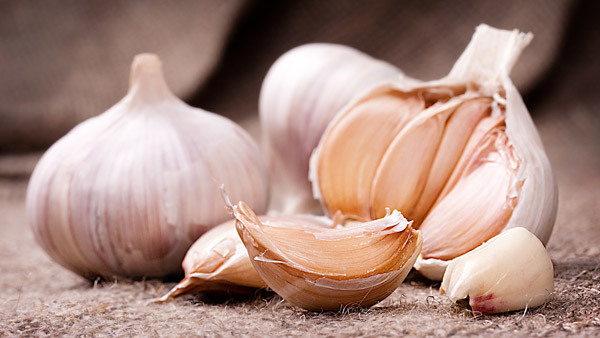
The treatment using garlic is a treatment used in historic times. It helps in restoring the quality of the hair and supplies nourishment to the follicles. The residue when applied increases the flow of blood towards the scalp. This provides shine to the hair and makes the hair smooth.
8. Cucumber Juice
Cucumber juice helps in proper hair growth and improves the quality of the hair. The enzymes help in preventing hair loss and enhance the circulation of hemoglobin to the cells and the follicles of the hair. A glass every day helps in curing hair problems.
9. Coriander Juice
Coriander also commonly called as cilantro, helps in enhancing hair growth and fights against hair fall. It is highly beneficial and can be clubbed along with any other drink to add a taste to it. The leaves can be crushed and diluted before application. The paste should be applied for an hour and then washed off with cold water.
10. Strawberry Juice
The vitamin C helps in the increment of proteins in the body, which in turn stimulateshair growth as hair is composed of proteins. An application of crushed strawberries to the hair, imparts lusture and proteins to the hair.
After reading the various benefits of these juices, I am sure you can’t stay away from using them. Just adhere to this above listed juices in your routine to make the most of it! It will give you long lustrous hair that will surely make many envy you.
Original Article : www.stylecraze.com/articles/juices-that-help-further-hair-growth/
Sunday, June 2, 2013
Recovered from Hair Loss
By: Lim Chee Kong
Head Waiter
As a head writer, my working hours are very irregular. My sleep pattern is also very disturbed, I sleep late at night and I usually have my dinner after work.
My work is also very stressful especially during peak hours, because I have to handle a restaurant full of customers and managing my staff. I suffer from excessive hair drop for more than 6 months.
After receiving treatments at Lao Fo Ye Hair Care Centre, my condition improved impressively. My hair is now very healthy. With my looks improved, I am now more confident of myself.
I am grateful to Lao Fo Ye for saving my hair.
Subscribe to:
Posts (Atom)